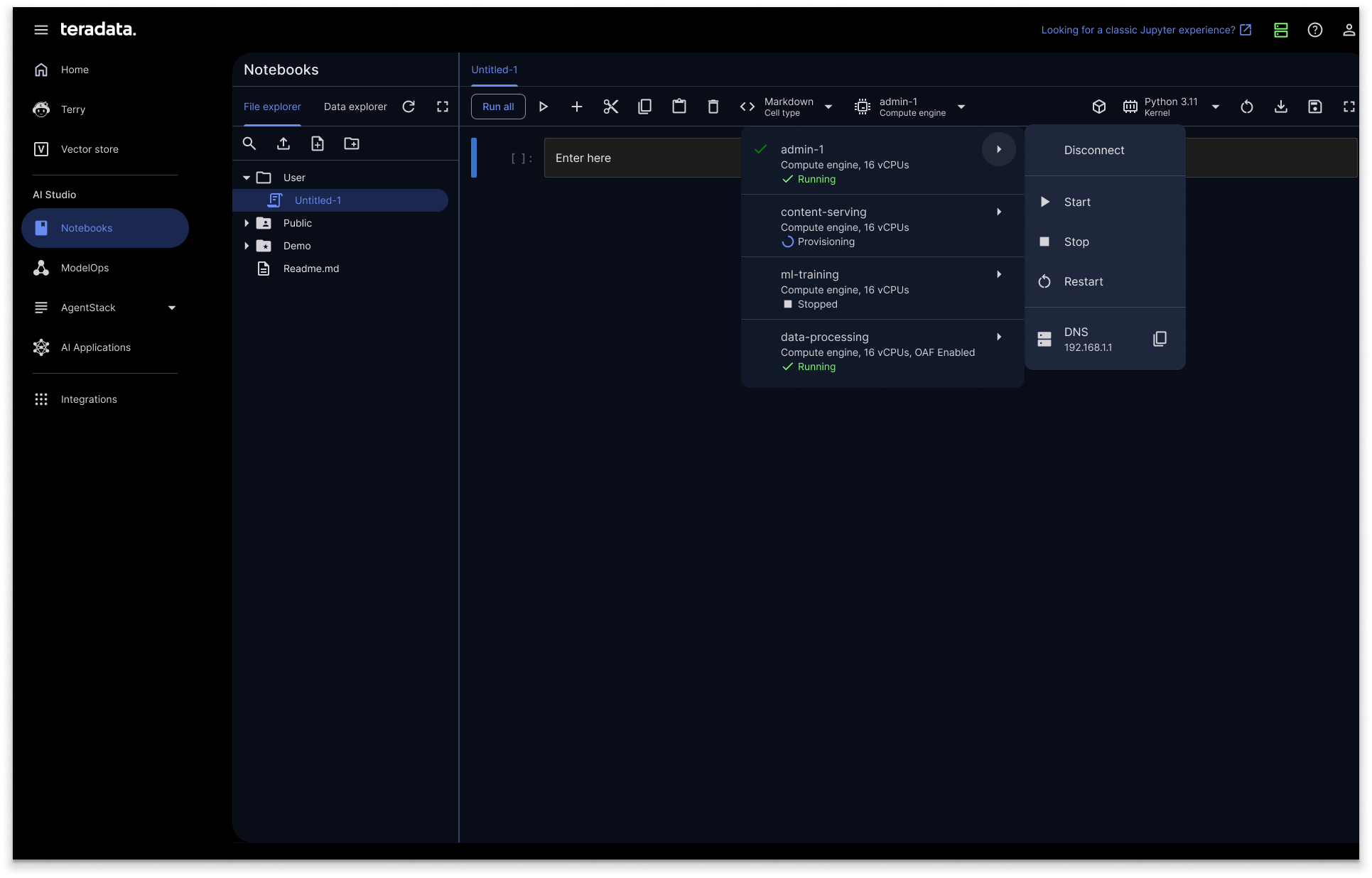
Elastic Compute
Scaling Enterprise Analytics Through On-Demand Cloud Compute
Problem and Opportunity
Organizations running enterprise analytics face a balancing act between maintaining always-on compute capacity for critical workloads and controlling infrastructure costs during periods of low utilization. Traditional approaches often lead to over-provisioning, resource contention, and reduced flexibility for AI, machine learning, and exploratory analytics workloads.
Elastic Compute was created to give customers the ability to provision compute resources on demand, automatically scale capacity, suspend idle resources, and isolate experimental workloads from production environments. The challenge was designing an experience that made advanced infrastructure management approachable for administrators while providing transparency around consumption, costs, and automation.
My Role
I led the end-to-end user experience strategy for key portions of the Elastic Compute administration experience, collaborating with product management, engineering, architecture, and leadership teams.
My contributions included:
Defining workflows for self-service provisioning and lifecycle management
Designing notification and budget-management experiences for compute consumption
Establishing reusable interaction patterns across the Console experience
Facilitating alignment between engineering constraints and customer needs
Converting complex provisioning, scaling, and cost-management concepts into understandable workflows for administrators
I played a key role in shaping how customers interact with cloud compute resources, moving the product from infrastructure-centric functionality toward a customer-focused management experience.
Output
Designed and delivered:
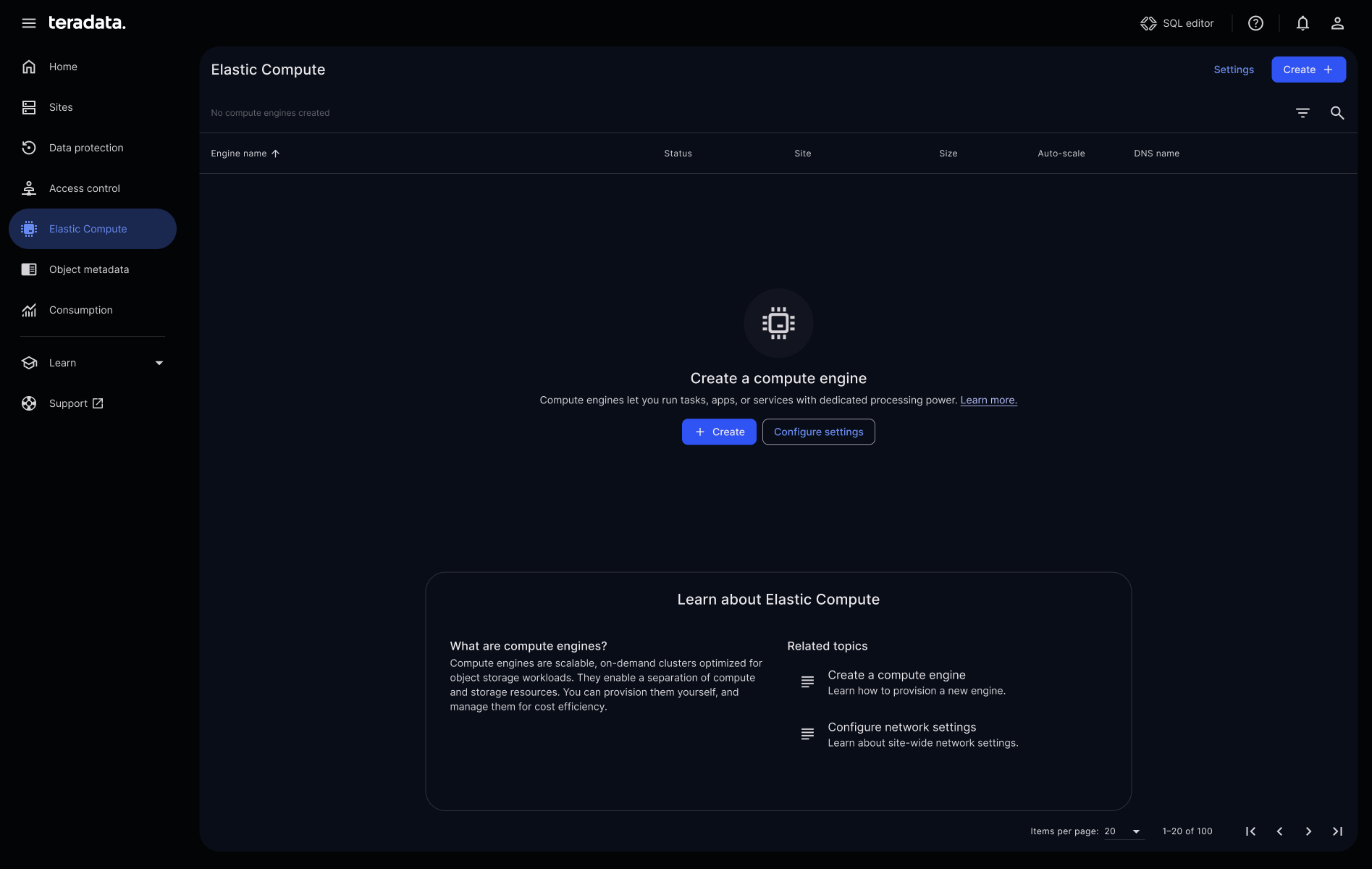
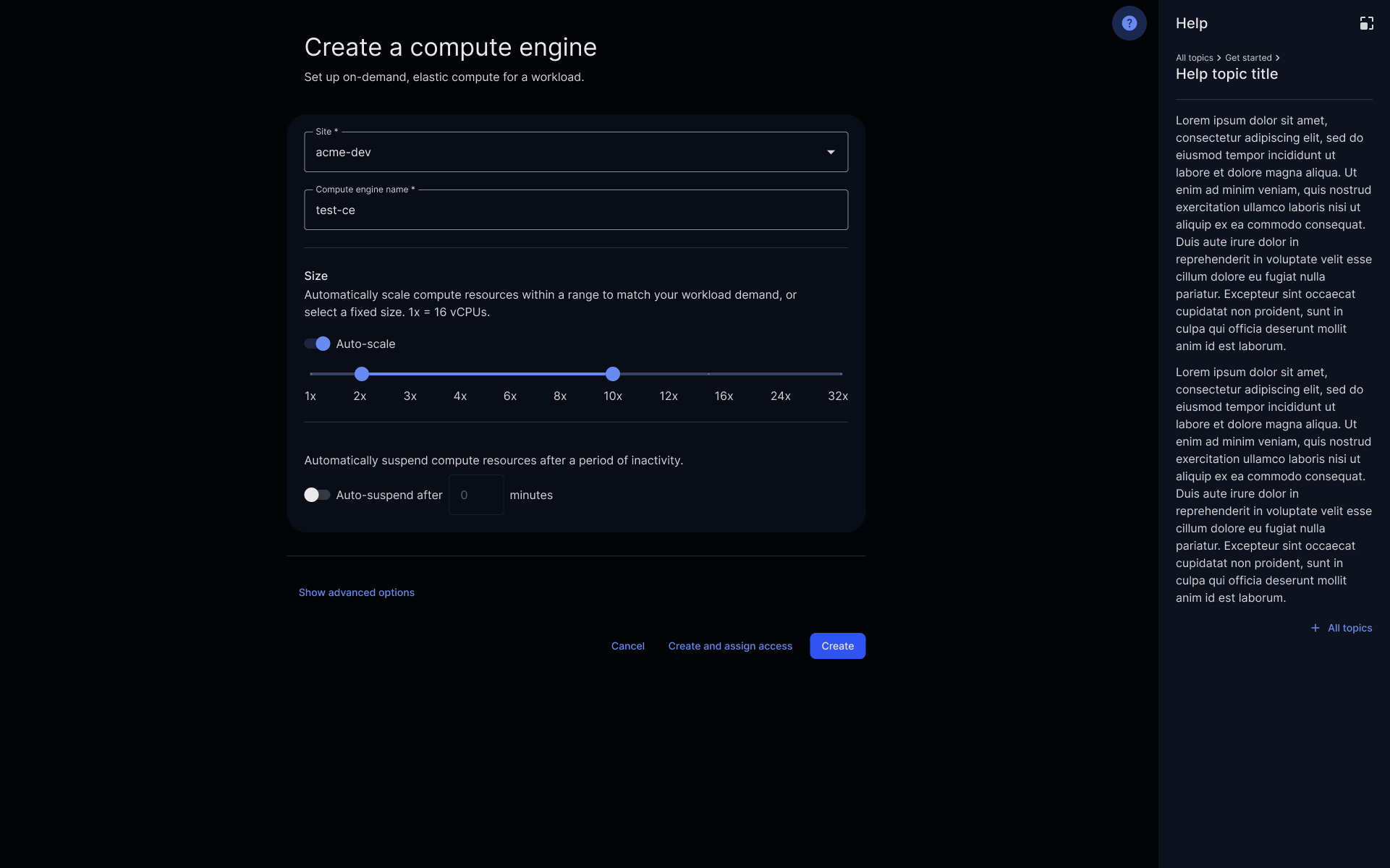
Elastic Compute provisioning workflows
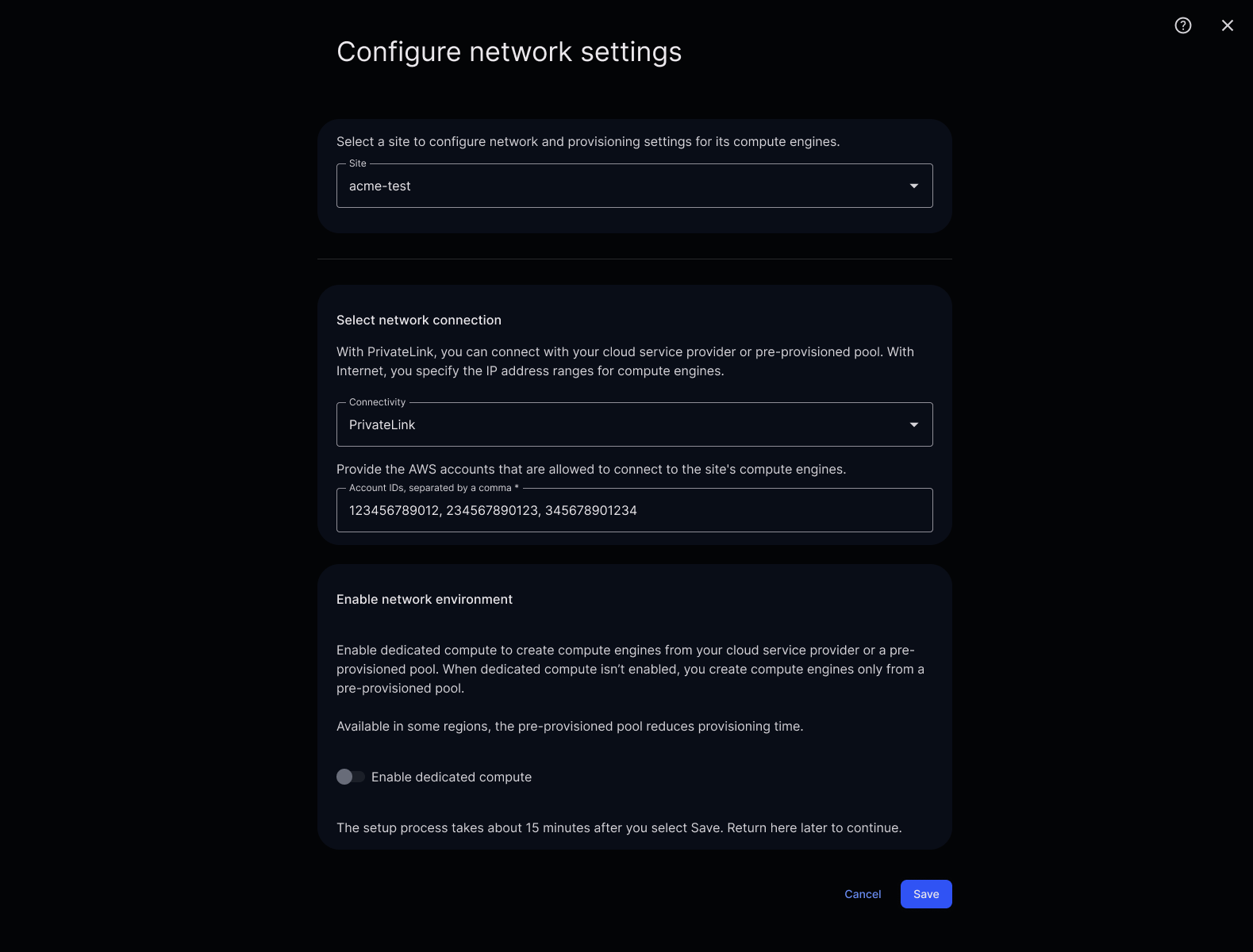
Compute configuration experiences
Autoscaling and scheduling controls
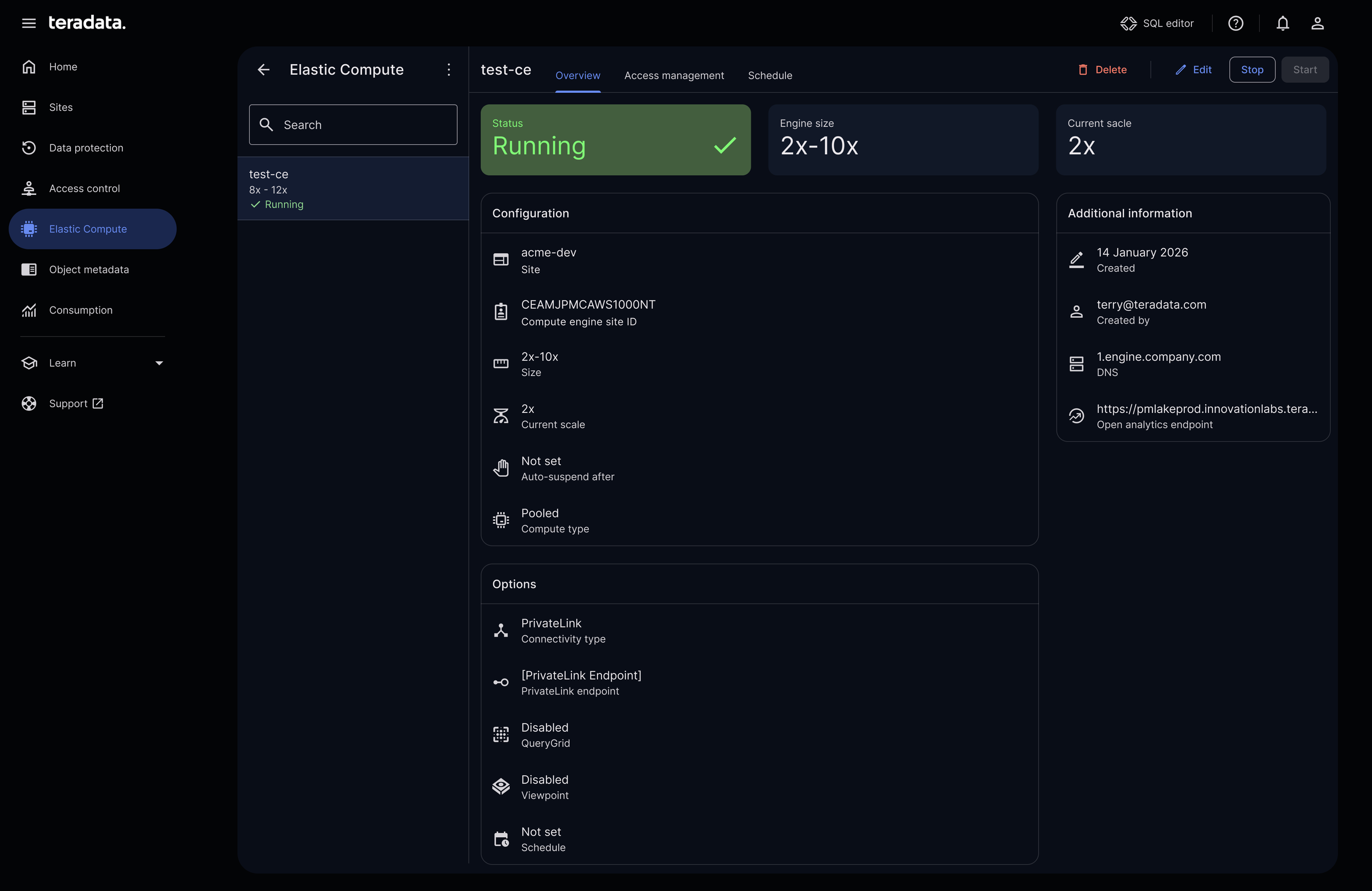
Lifecycle management screens
Usage monitoring and consumption reporting experiences
Budget-control and threshold notification concepts
Cross-product notification framework used as a foundation for future Teradata products
Administrative workflows for resource management and governance
The design work emphasized simplicity, transparency, and operational confidence, enabling customers to understand both system behavior and financial impact.
Customer Impact
Enabled self-service compute provisioning, reducing dependence on support and operational teams
Improved visibility into compute consumption and spending through monitoring and notification capabilities
Gave administrators confidence to adopt autoscaling and elastic infrastructure with clearer controls and safeguards
Business Impact
Supported the launch and adoption of a major cloud platform capability designed for AI, ML, and modern analytics workloads
Created reusable design patterns that accelerated related administration experiences
Established a scalable foundation for future cross-product notification and FinOps capabilities
Success Indicators
Self-service provisioning through the Admin Console
Introduction of autoscaling, auto-suspend, and scheduling capabilities
Expanded support for AI/ML and object-store workloads
Creation of a reusable notification architecture for future products and services
Final Result
Elastic Compute transformed cloud resource management from a highly technical infrastructure task into a customer-friendly administrative experience. The resulting platform empowers organizations to dynamically scale analytics workloads while maintaining operational visibility, governance, and cost control.