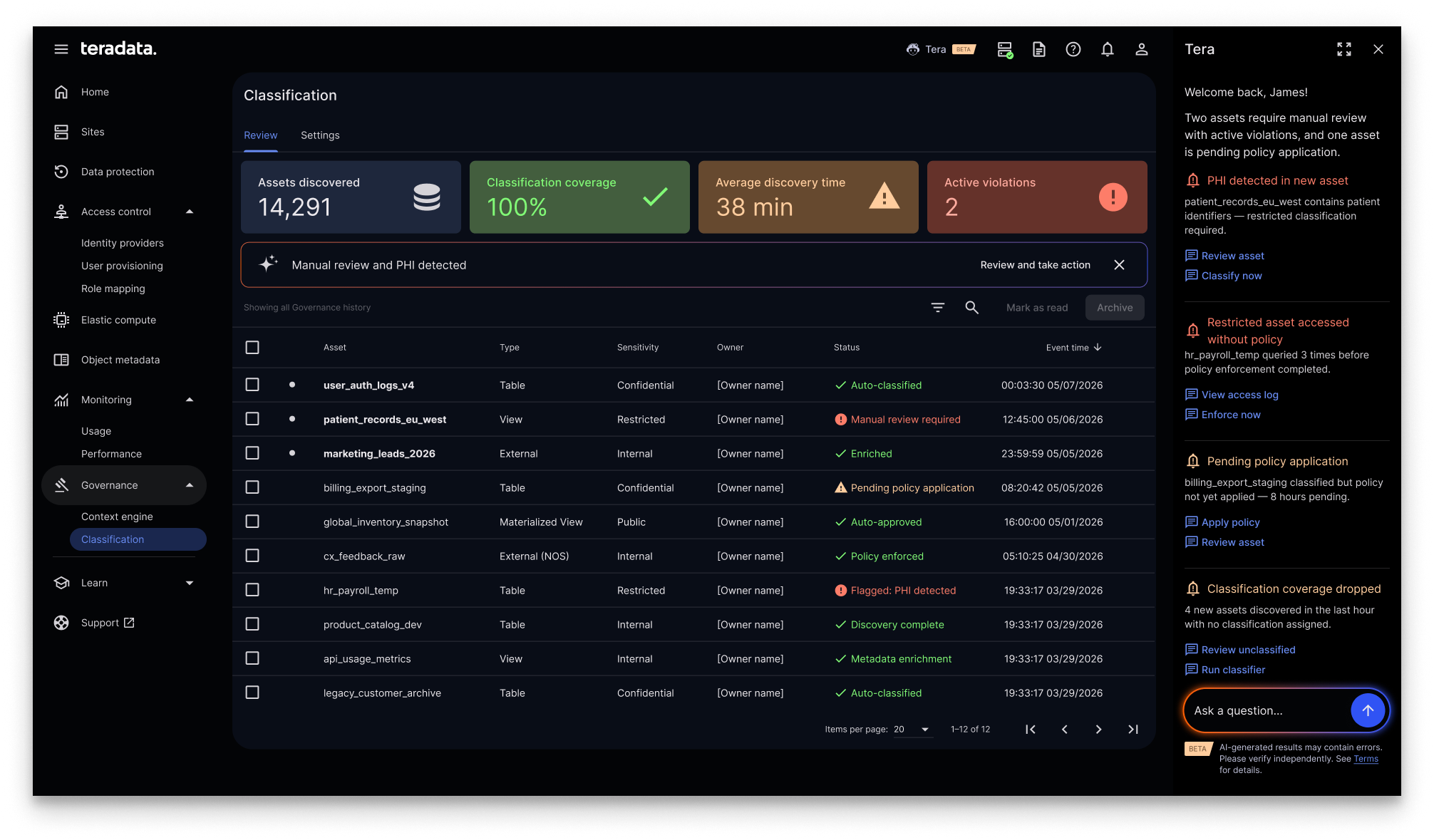
Autonomous Data Platform (ADP)
Designing Trust and Transparency for Enterprise AI Autonomy
Problem / Opportunity
As enterprise platforms increasingly rely on AI agents and automation, organizations face a critical challenge: users must trust automated decisions before they are willing to grant those systems greater autonomy.
The Autonomous Data Platform initiative focused on creating an AI-powered operating model where autonomous actions are visible, explainable, and actionable. The opportunity was to help customers transition from manual operations to AI-assisted and eventually autonomous workflows while maintaining transparency, governance, and human oversight.
My Role
I was responsible for defining the experience architecture and interaction patterns that became the foundation of the Autonomous Data Platform.
Key responsibilities included:
Designing user experiences across multiple autonomous product domains
Creating trust-building interaction frameworks
Developing approval, recommendation, and confirmation workflows
Establishing consistent AI interaction patterns across products
Driving alignment between product strategy, engineering, and UX
Translating abstract AI concepts into practical administrative workflows
My work helped shape how customers understand, monitor, and control autonomous decision-making within the platform.
Output
Designed core platform experiences including:
Autonomous Cloud Compute Management
Recommendation-driven compute optimization workflows
Historical-context insights
Human-in-the-loop approval mechanisms
Autonomous action confirmations
Intelligent Query Optimization
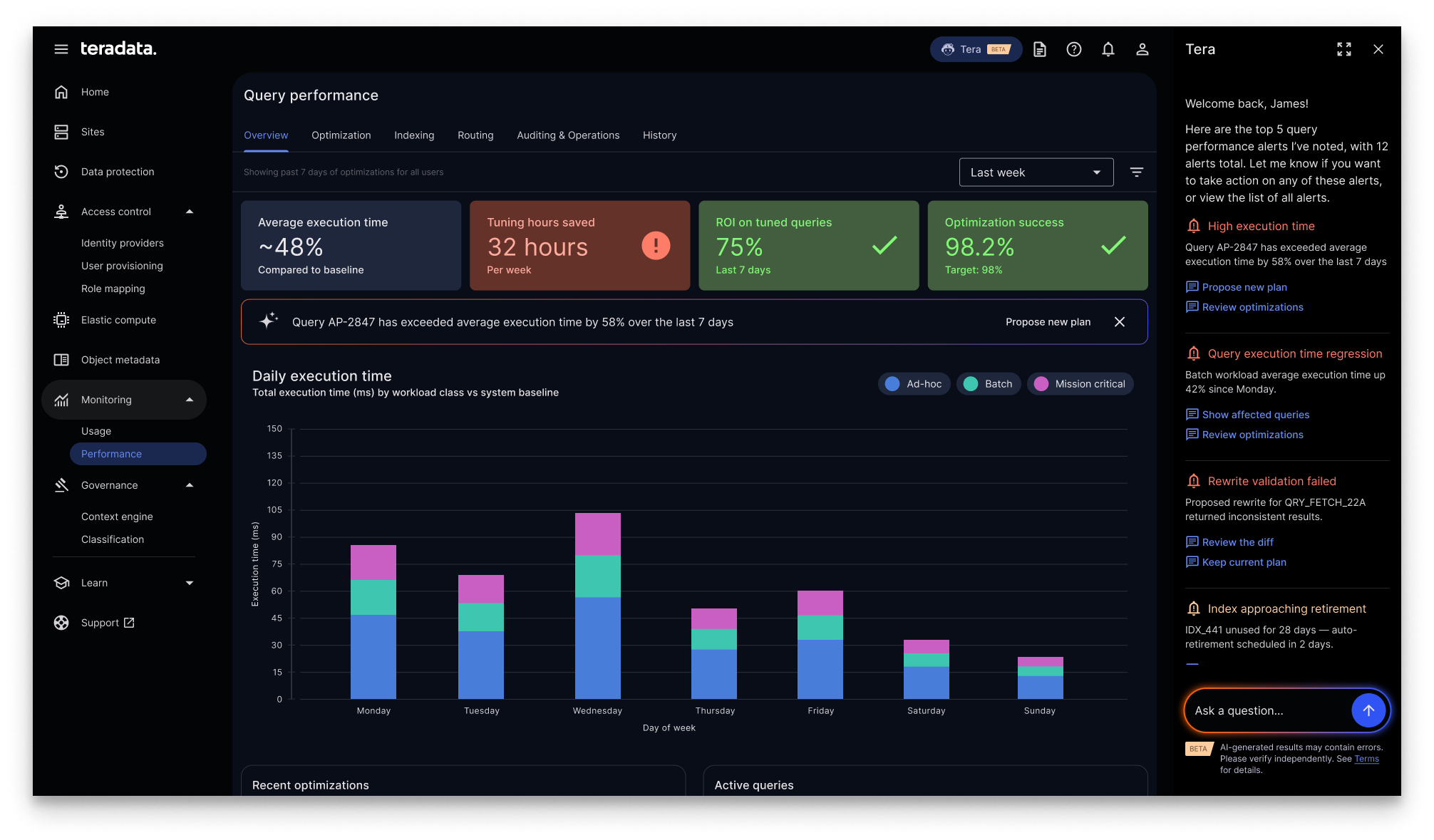
Query analysis and optimization recommendations
Before-and-after performance comparisons
AI-assisted tuning workflows
Cost Intelligence & FinOps Automation
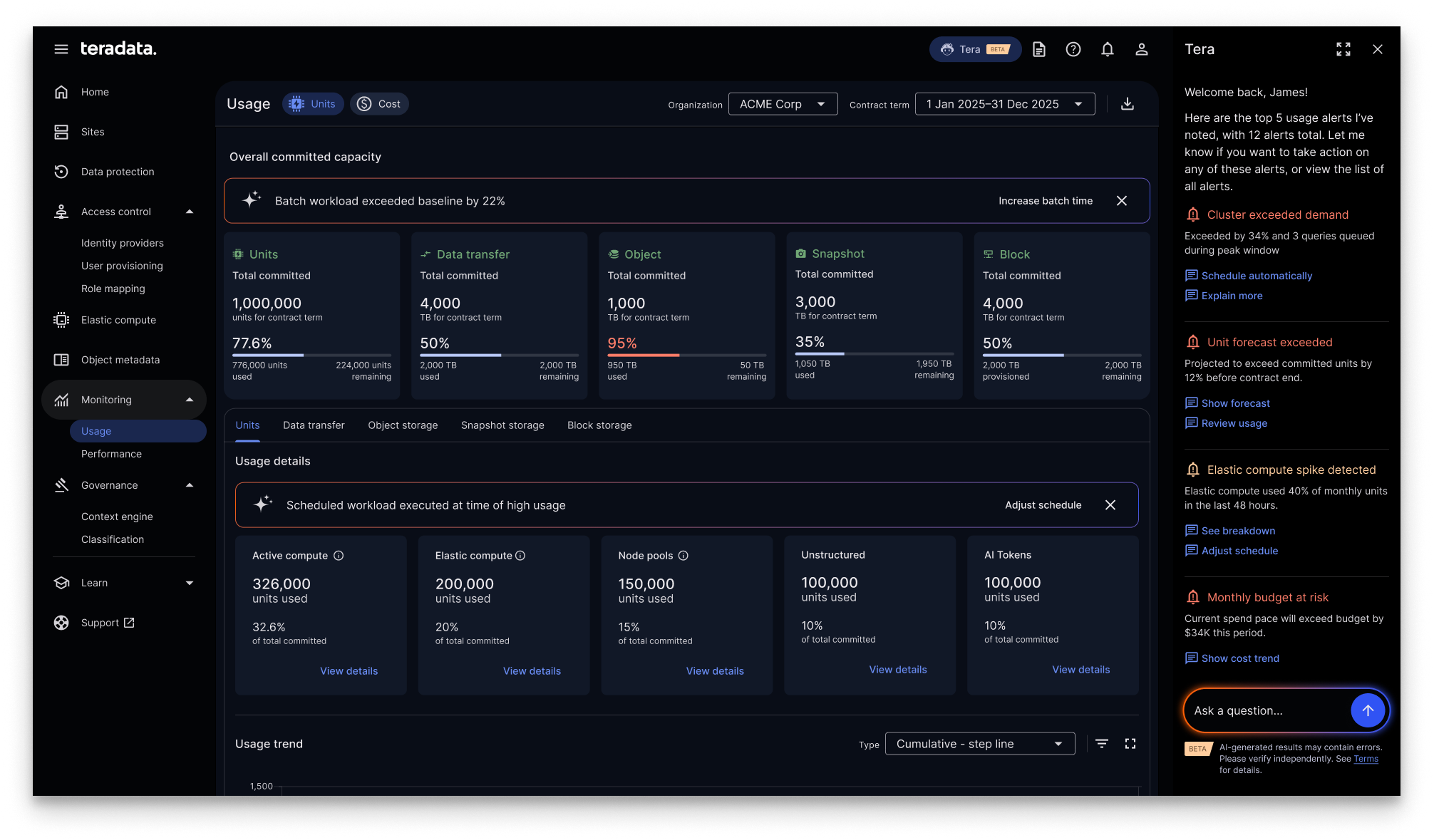
Cost and consumption dashboards
Units-to-cost visualization controls
Budget guardrails and alerts
Usage intelligence experiences
Governance & Trust Systems
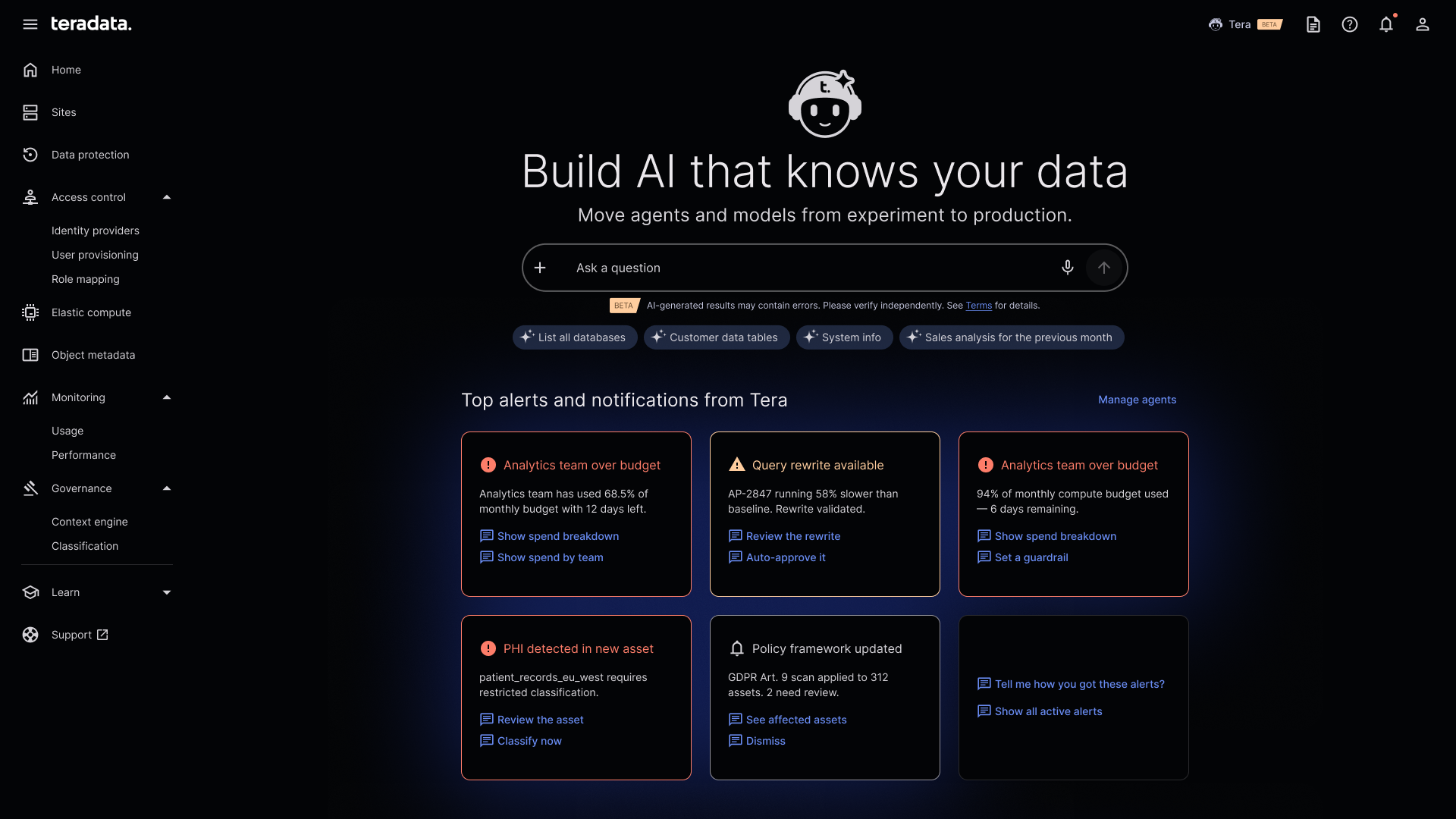
Agent transparency feeds
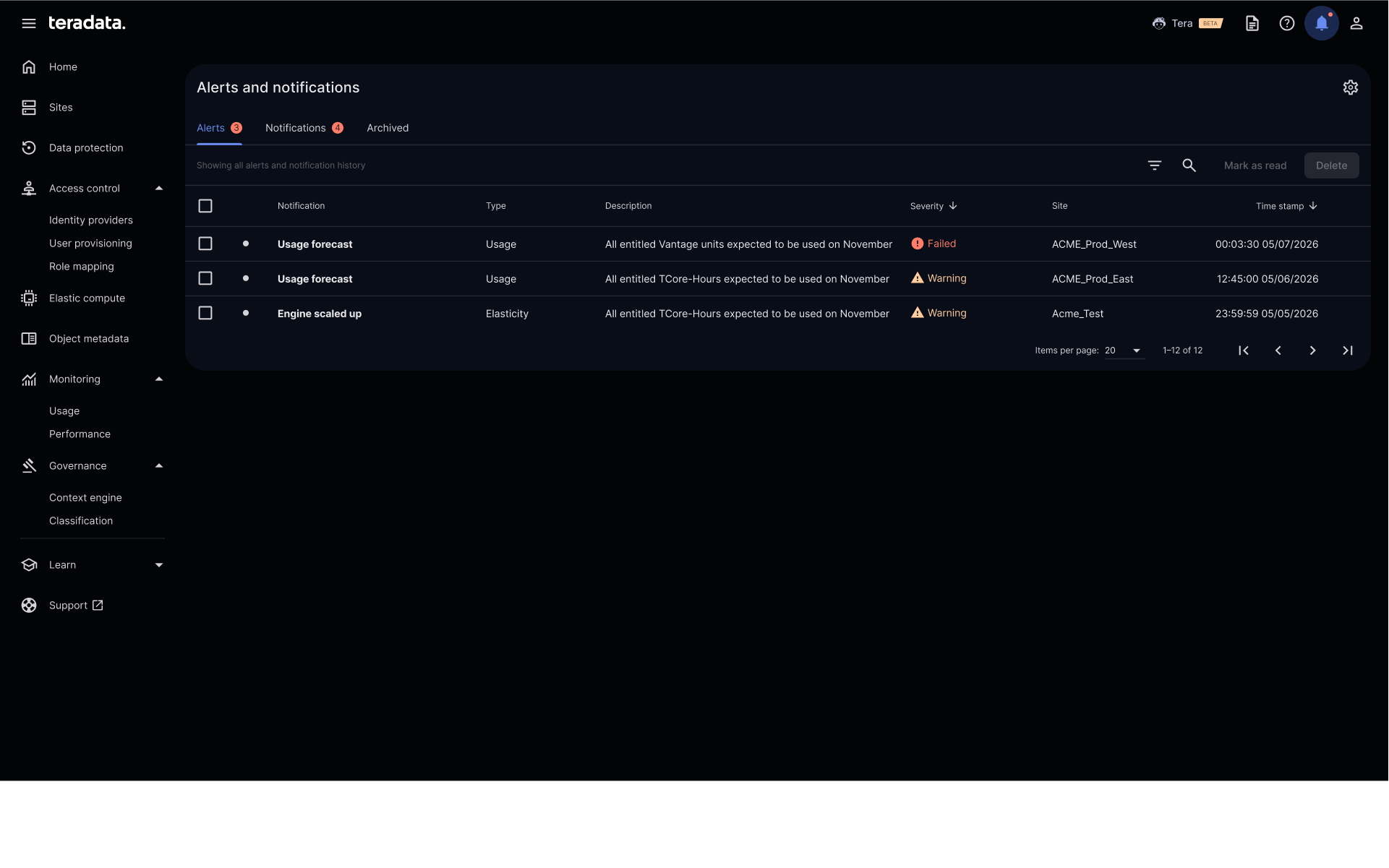
Notification center
Governance dashboards
Explainability patterns
Trust-stage controls (Observe → Assist → Autonomous)
Natural Language Experiences
Cross-platform command bar
Conversational administration workflows
Platform-wide discovery and recommendations
A major outcome of the project was establishing a reusable interaction model:
Alert → Recommendation → Context → Action → Confirmation
This pattern became a foundational design framework across multiple autonomous capabilities.
Customer Impact
Increased visibility into AI-driven system actions
Reduced uncertainty around automation through explainability and approval workflows
Created transparent pathways toward greater autonomous operation while preserving user control
Improved discoverability and understanding of platform recommendations
Business Impact
Established foundational UX patterns for Teradata's autonomous platform strategy
Reduced design fragmentation through reusable experiences shared across epics and product areas
Positioned the platform to support multiple personas, including administrators, FinOps leaders, data stewards, and business users
Success Indicators
Unified autonomous interaction framework adopted across multiple epics
Creation of transparency, governance, and explainability patterns
Successful integration of monitoring, optimization, governance, and FinOps experiences into a cohesive platform vision
Alignment of autonomous capabilities around trust-first design principles
Final Result
The Autonomous Data Platform established a new model for enterprise AI experiences by making autonomous actions understandable, transparent, and user-controlled. Rather than treating AI as a black box, the platform empowers customers to observe recommendations, understand reasoning, and progressively increase automation with confidence.